Living art that grows with your child
Endlessly evolving generative paintings,
scientifically tuned to your baby's developing vision.
A digital canvas that's never the same twice.


Endlessly evolving generative paintings,
scientifically tuned to your baby's developing vision.
A digital canvas that's never the same twice.
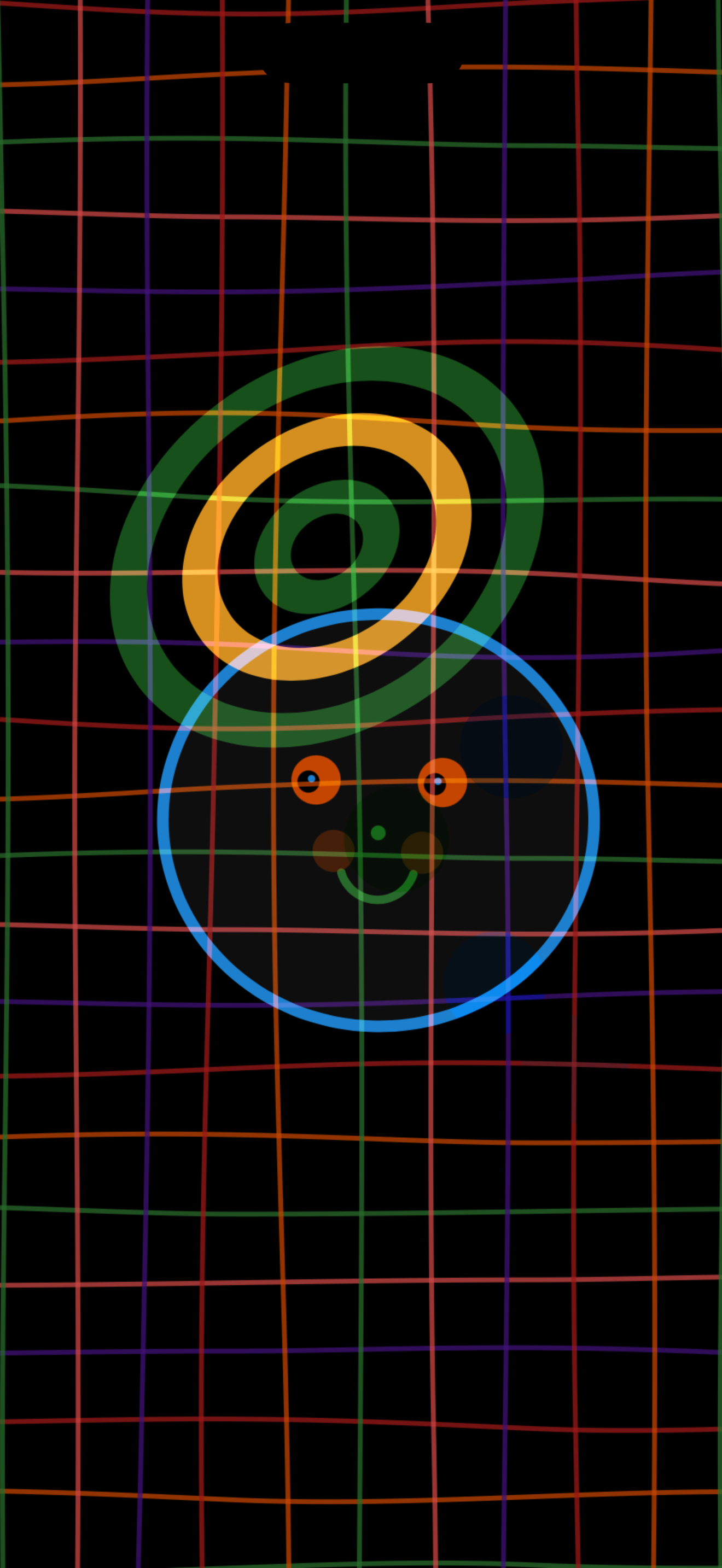

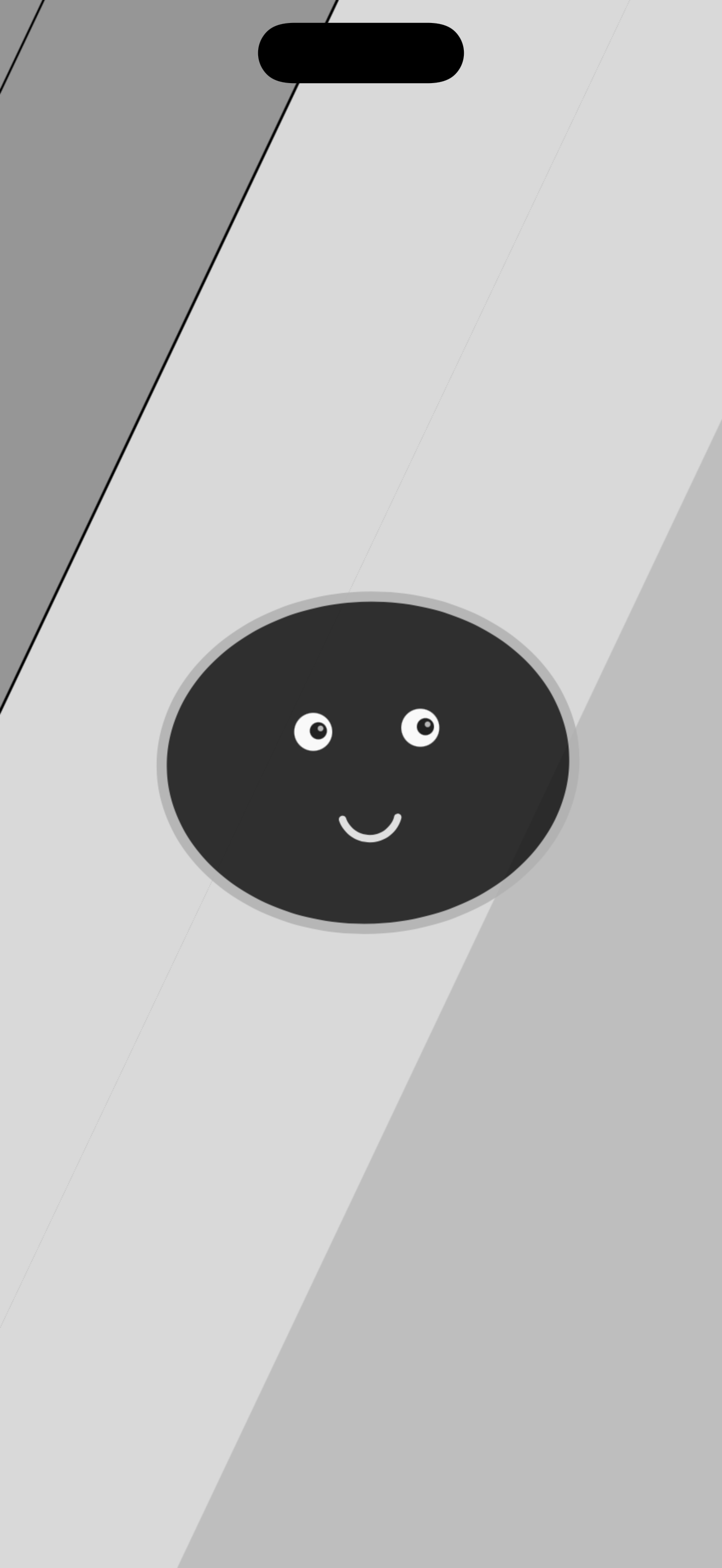
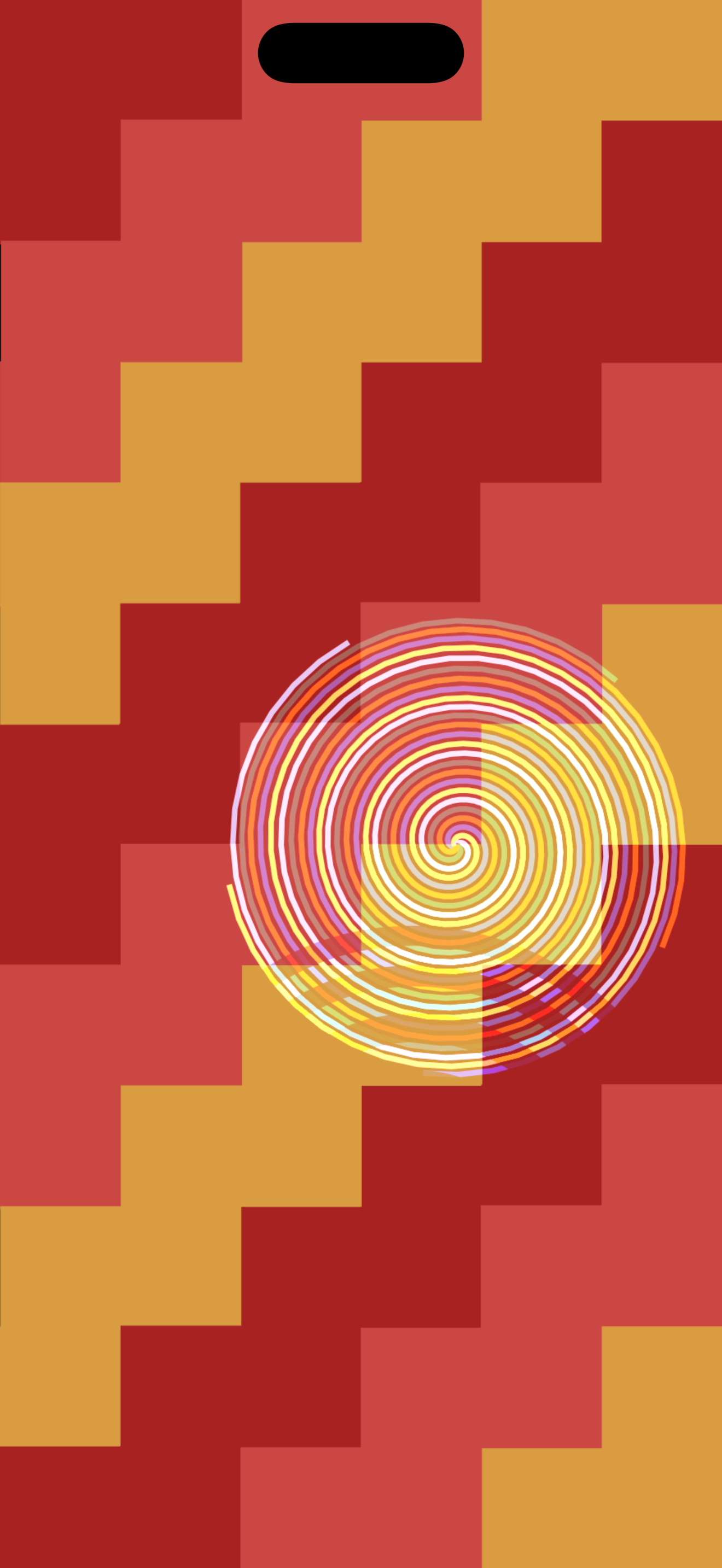
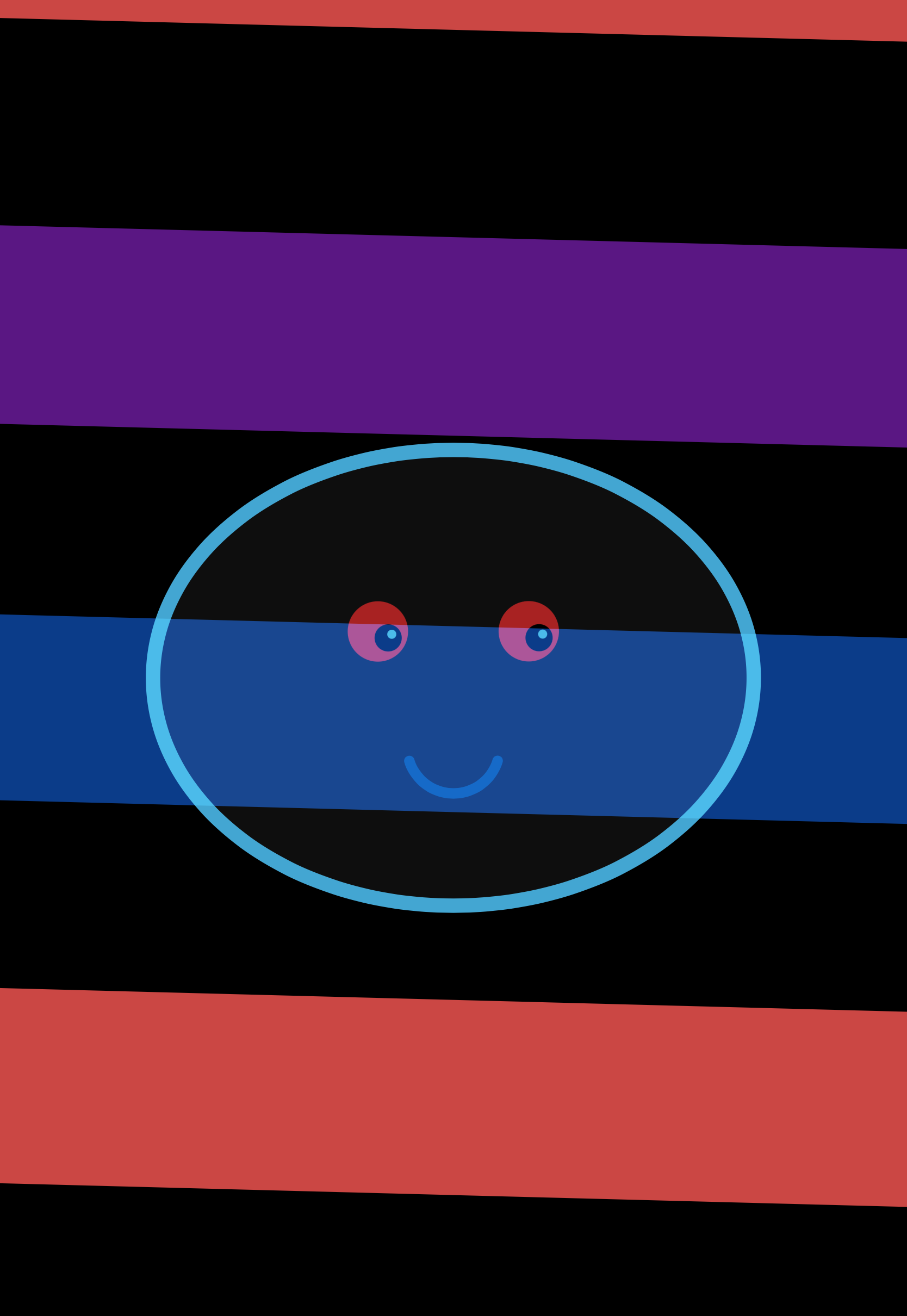
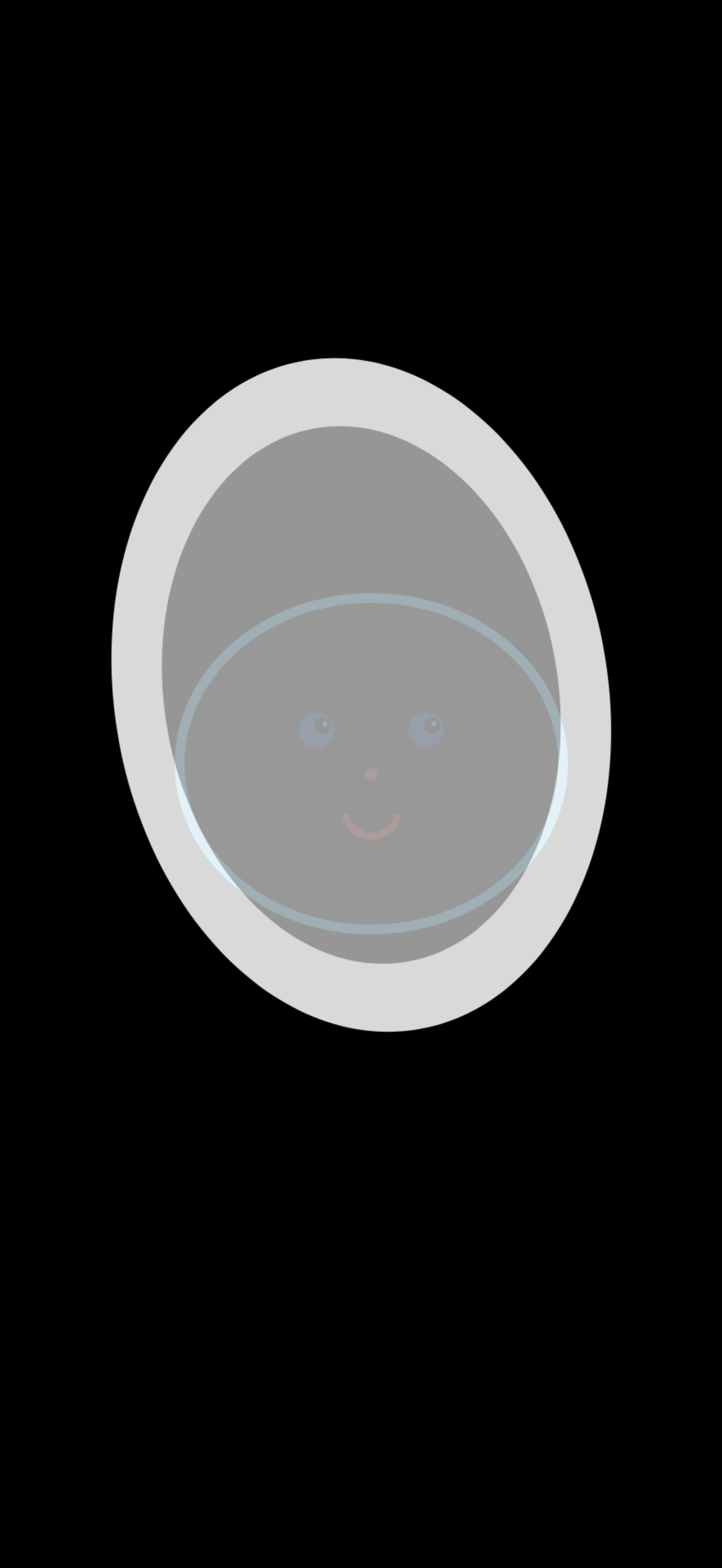
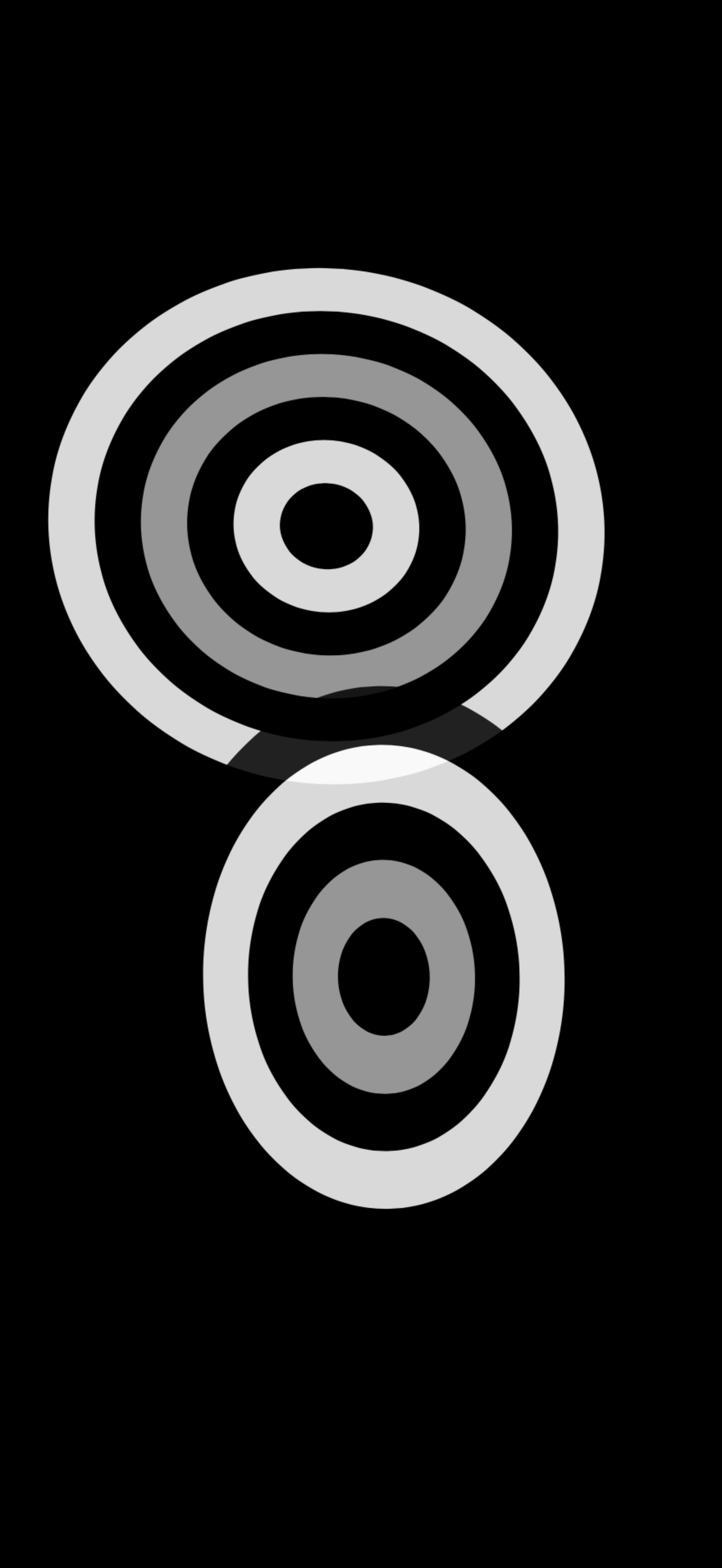
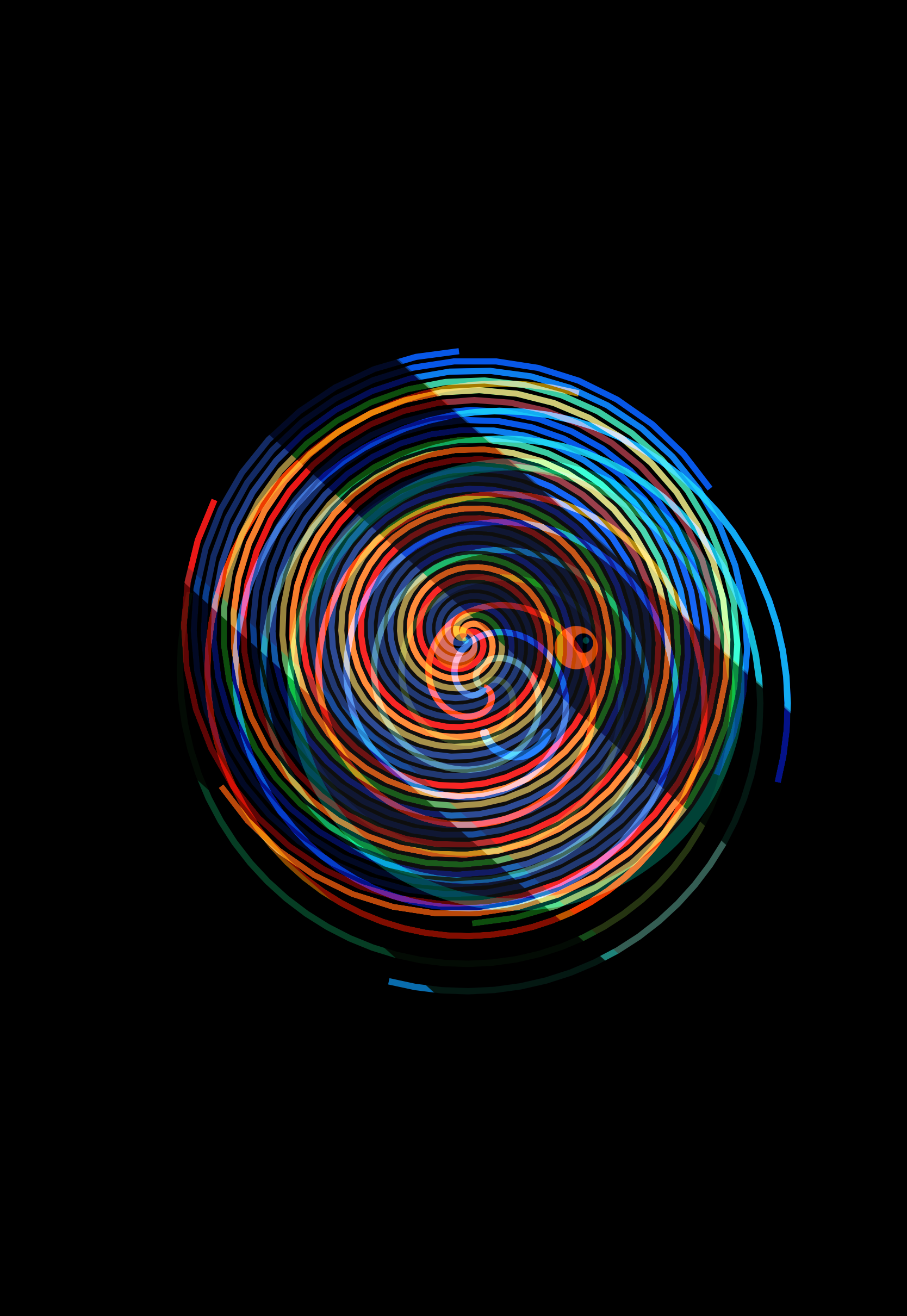
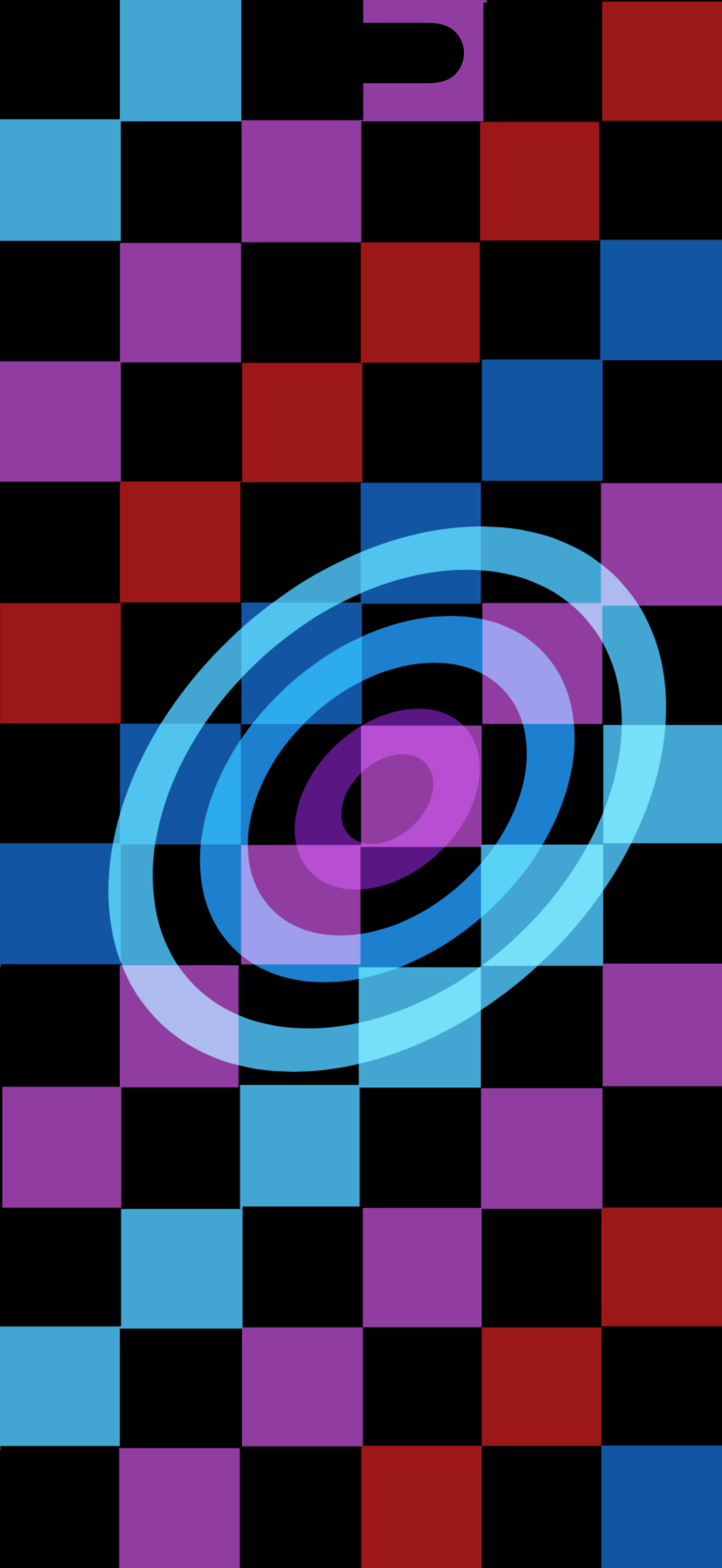
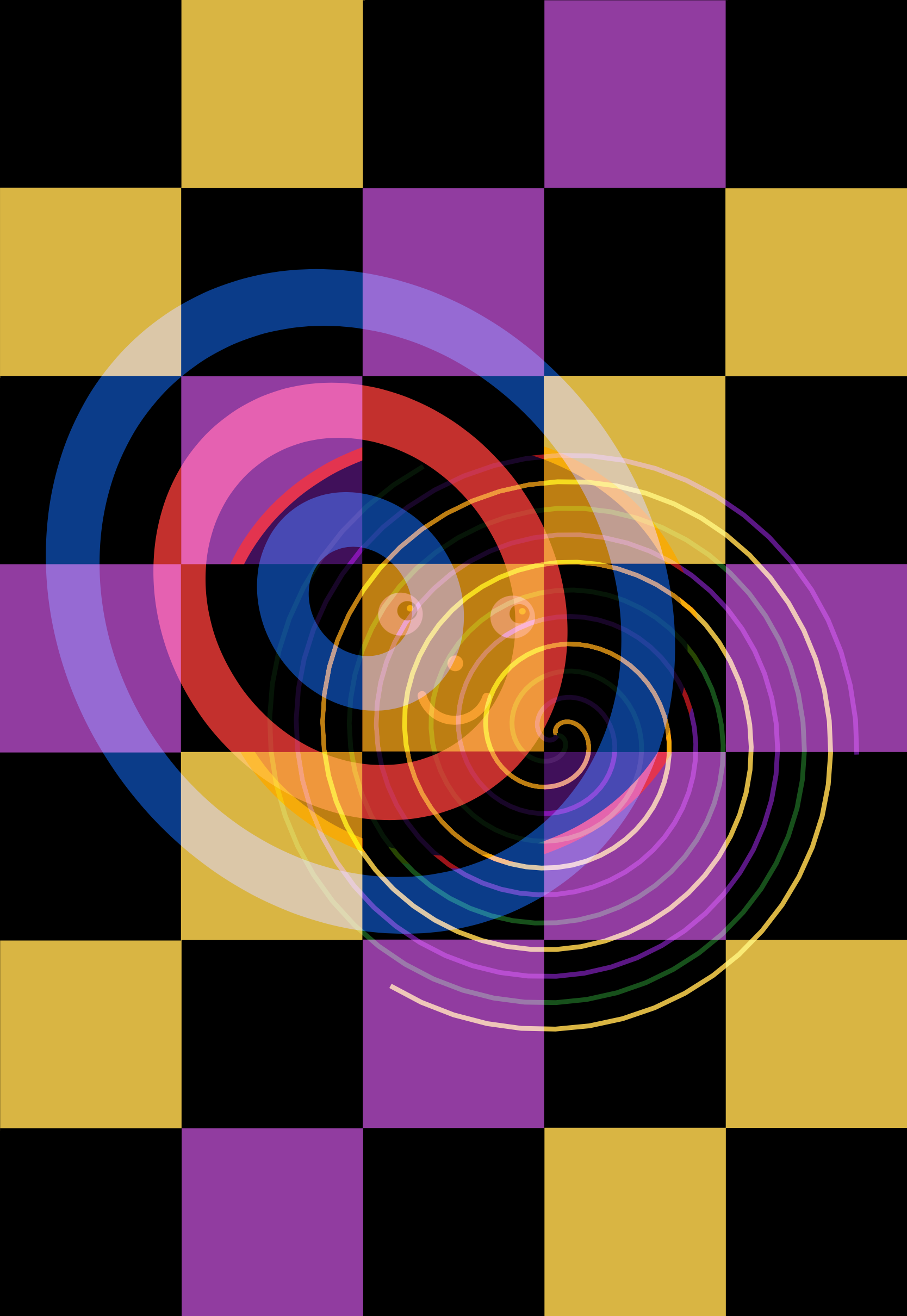
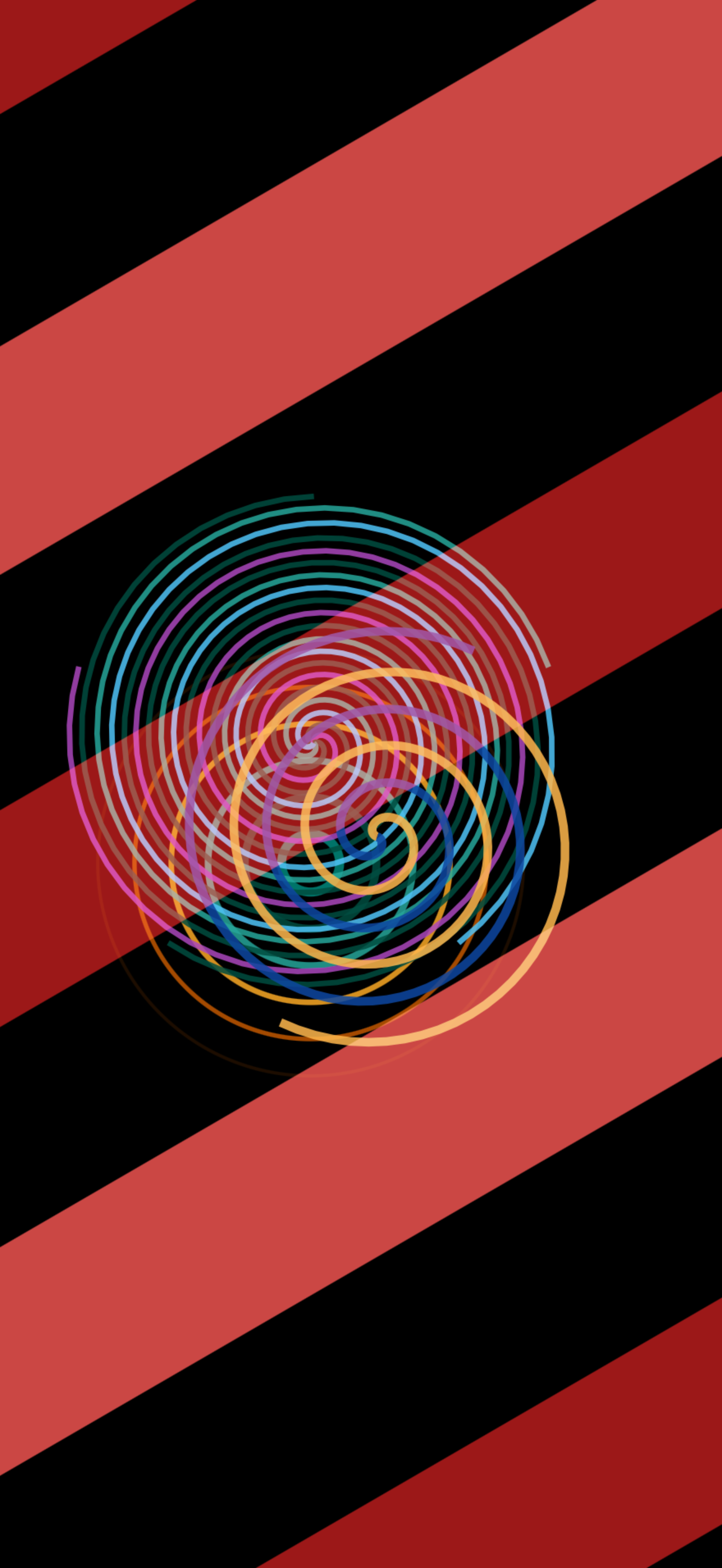
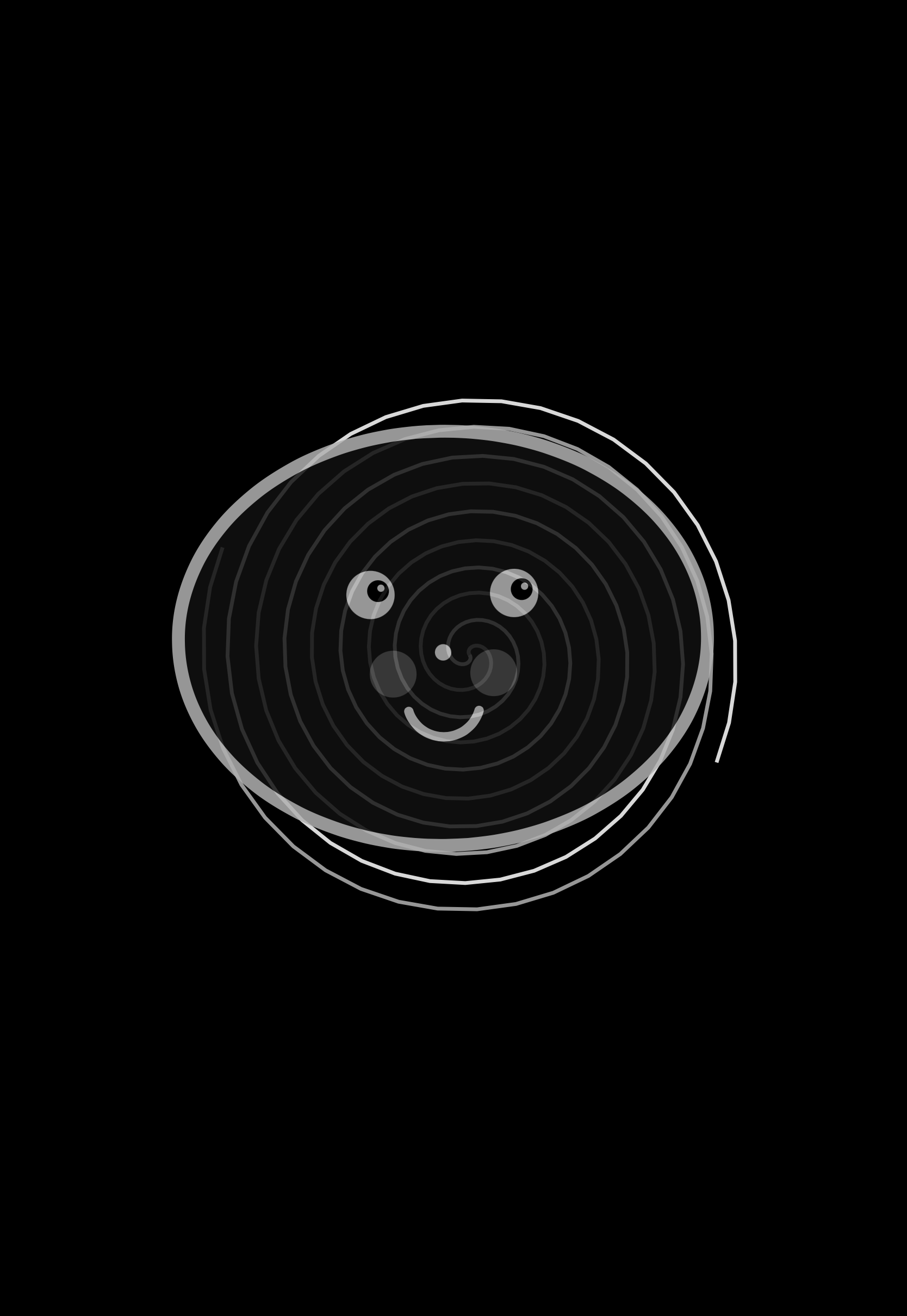


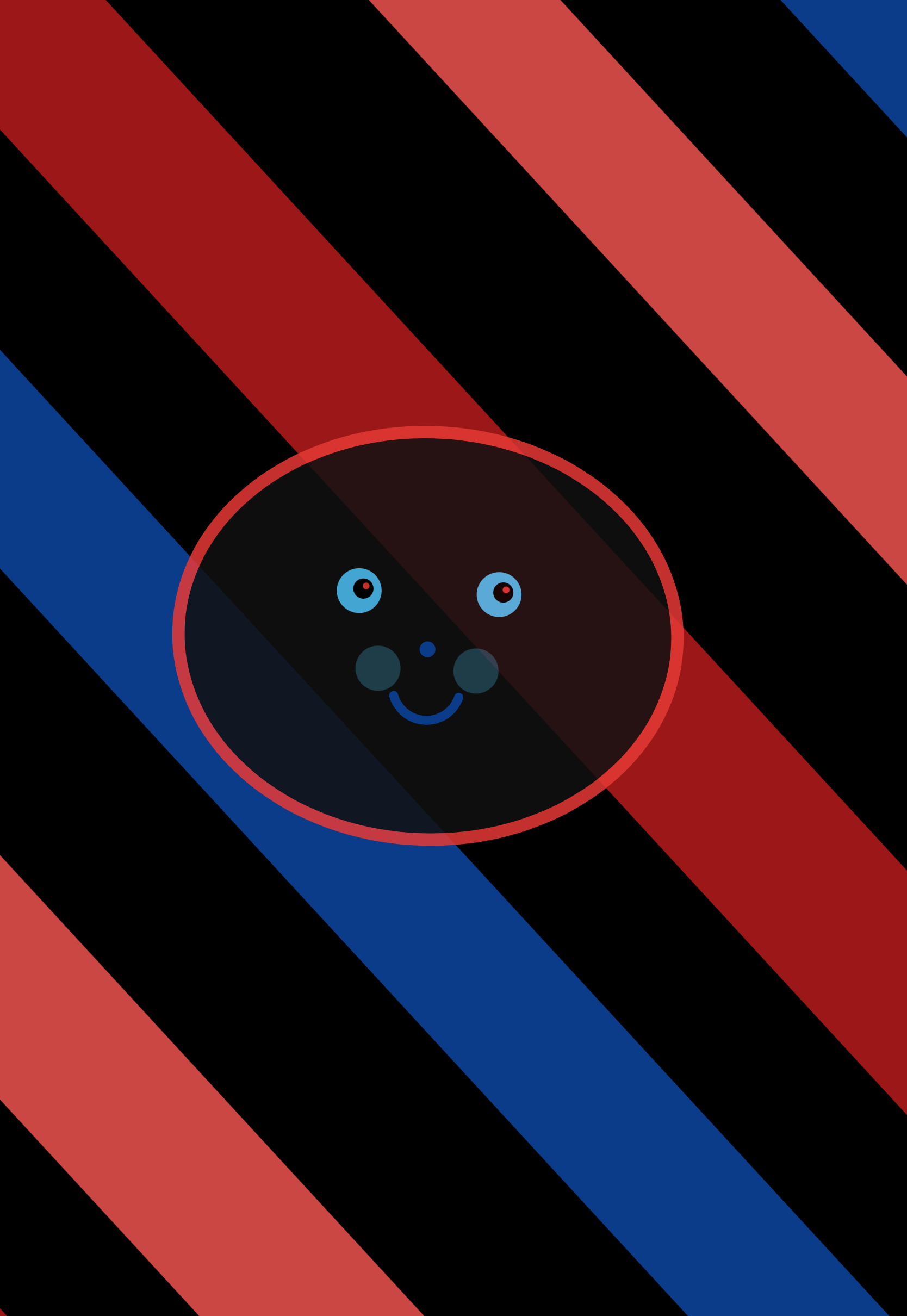
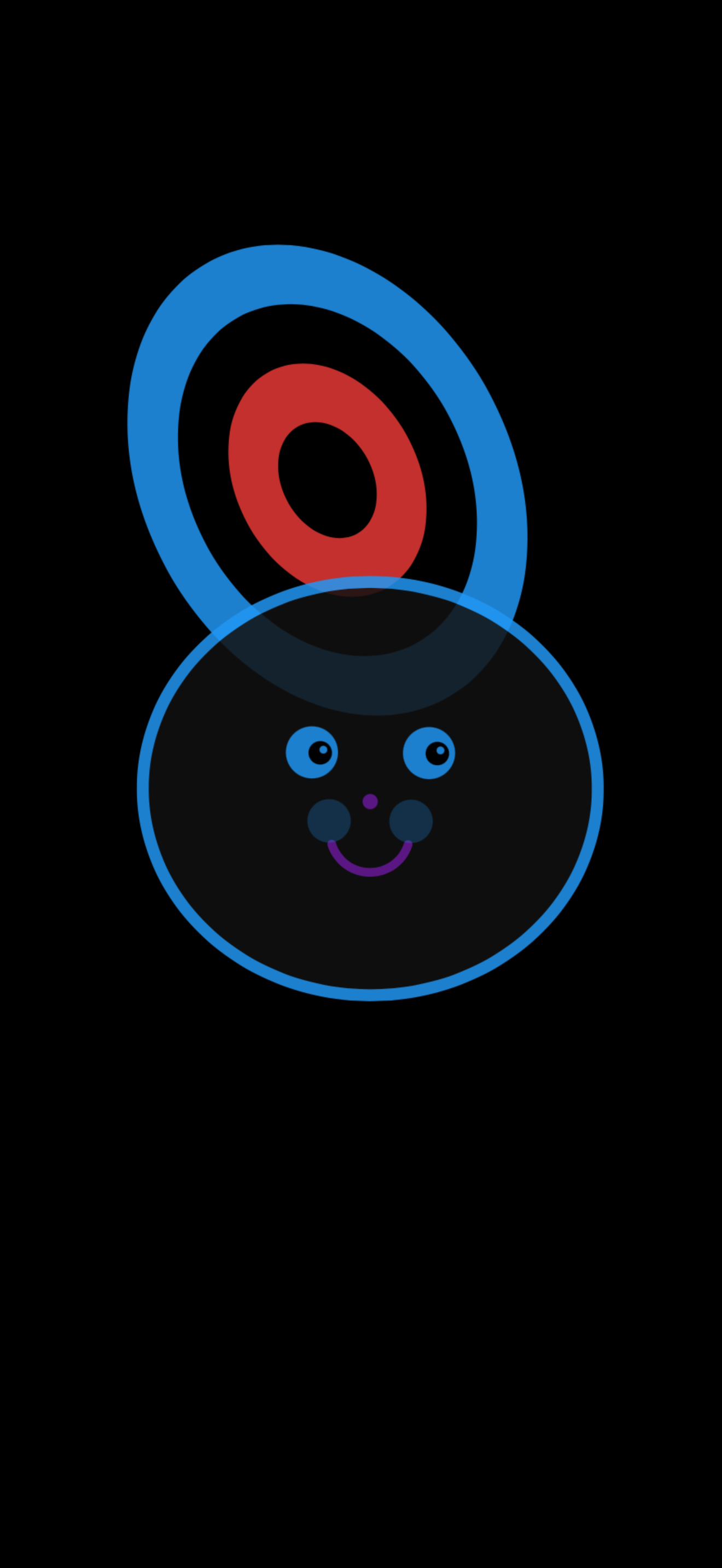
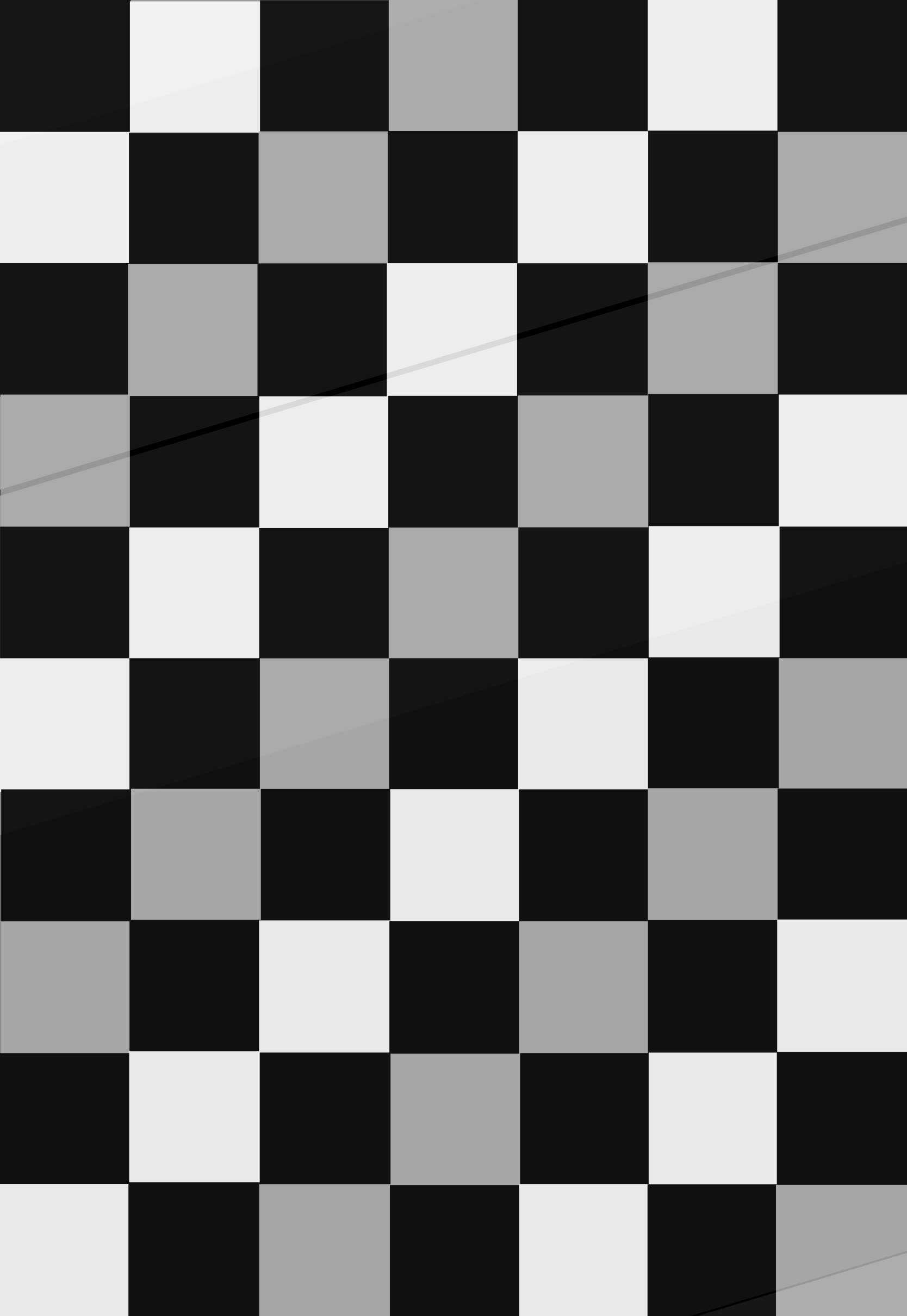

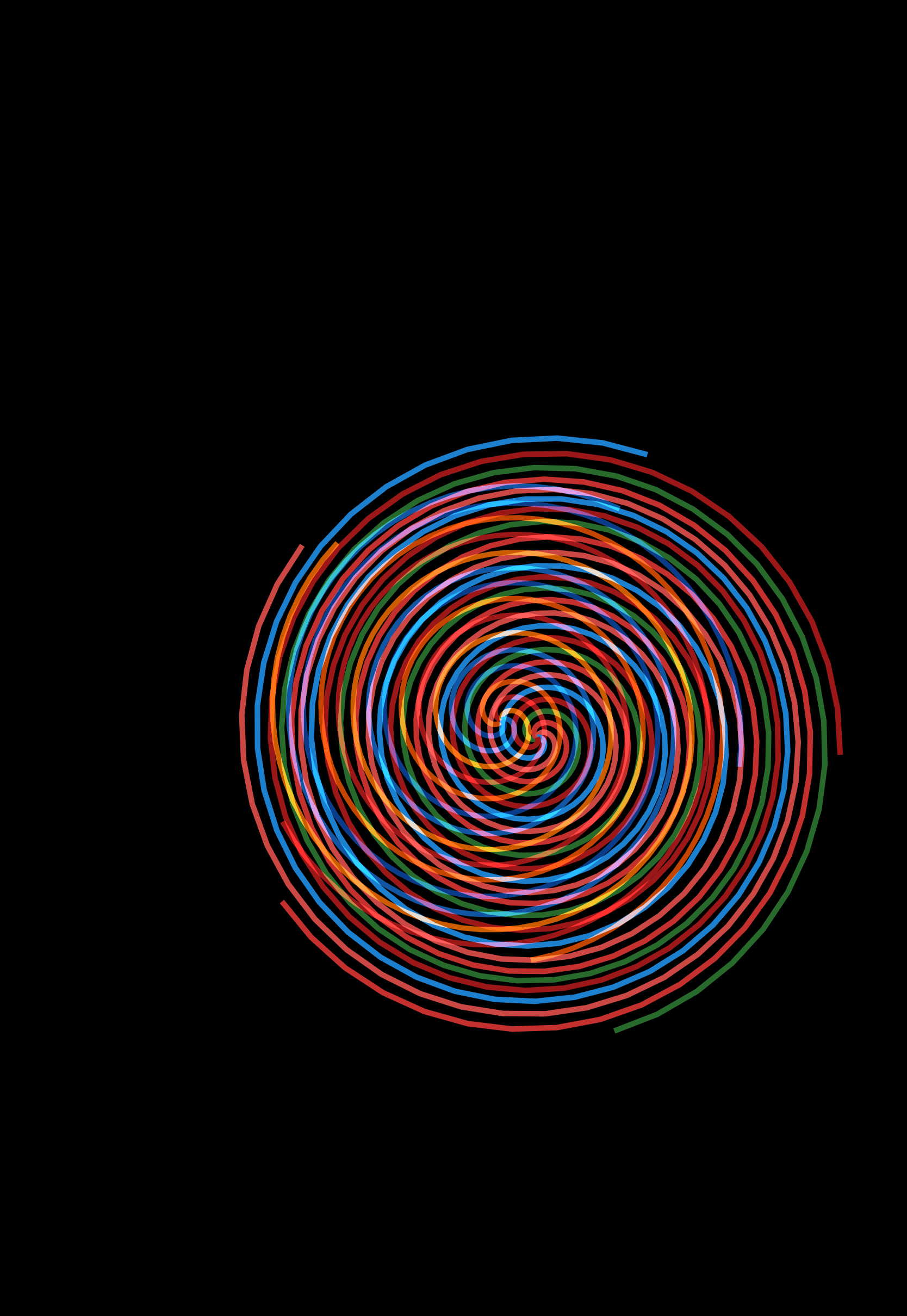
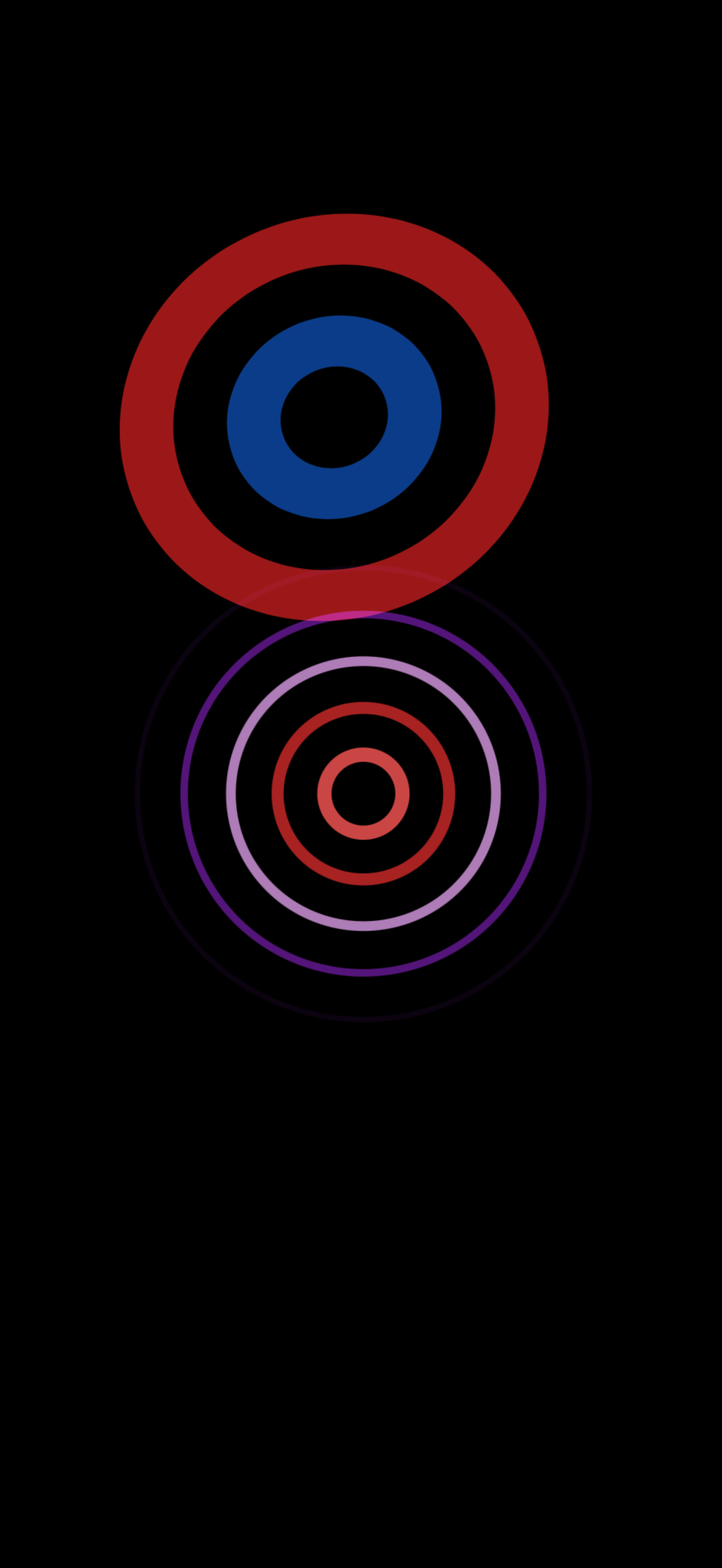
Enter your baby's date of birth and the visuals automatically calibrate. High-contrast black and white for newborns, evolving through blues, full color, and complex layered scenes as their vision develops.
20 pattern types with randomized structure, noise-driven evolution, and per-instance parameters. No two moments are ever the same.
Adjustable brightness, optional ambient sound, screen-sleep prevention, and tap-to-pause. Designed for supervised tummy-time stimulation.
Edge-to-edge visuals on iPhone and iPad. No ads, no tracking, no internet required. Just pure generative art.
Optional gentle pentatonic tones that drift in and out, complementing the visuals with a soothing soundscape.
Not just for babies. Use it as a meditative art display, a visual companion for music, or a calming ambient screen in any room.
High contrast black and white only. Large bold shapes. Based on newborn contrast sensitivity research (Banks & Salapatek, 1978).
Strong B&W contrast with emerging edge detection. Patterns begin to include simple movement.
Blue hues appear first as S-cone pathways mature (Bornstein, 1975). Bold saturated shapes.
Full trichromatic vision emerging. Reds strongly preferred. Smooth visual tracking developing.
Rich color perception. Symmetry preference. Curvilinear shapes and complex layered patterns.
Full color range. Complex multi-layer scenes. Flow fields, constellations, nebulae.
Free to try on iPhone, iPad, and Android.